

The Problem Statement
80%
of new employees decide within their first few months whether to stay.
88%
of employees surveyed by Gallup believed their organization was poor at onboarding.
76%
of HR leaders acknowledge ineffective onboarding practices.
Top obstacles cited by managers: 57% lack time, 55% lack measurement tools, 39% lack digital technology.
Five Core Business Case Arguments
1. Employee Engagement and Retention
Organizations with a standardized onboarding process experience 50% greater new-hire productivity compared to those using unstructured approaches. Research indicates 86% of new employees form stay-or-leave decisions early.
2. Time-to-Productivity
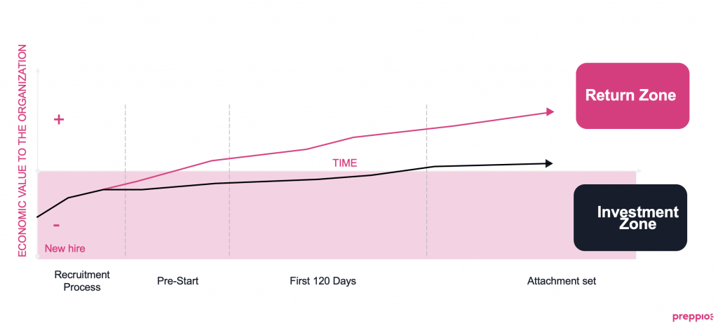
Well-designed onboarding programs accelerate when new hires deliver optimal organizational value. The "return zone" begins before employment starts through pre-boarding relationship development and employer branding benefits.
3. Employer Branding
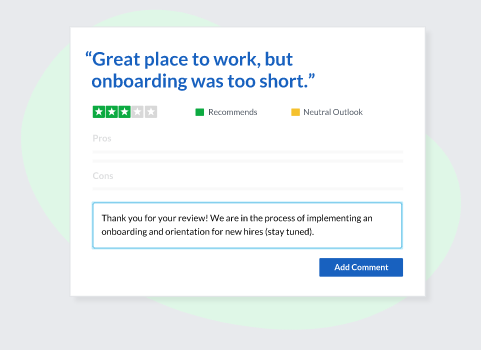
Personal connections influence 46% of job application decisions. Glassdoor and similar review platforms significantly impact candidate attraction. Poor onboarding emerges as a common negative theme in employee reviews.
4. Workplace Culture
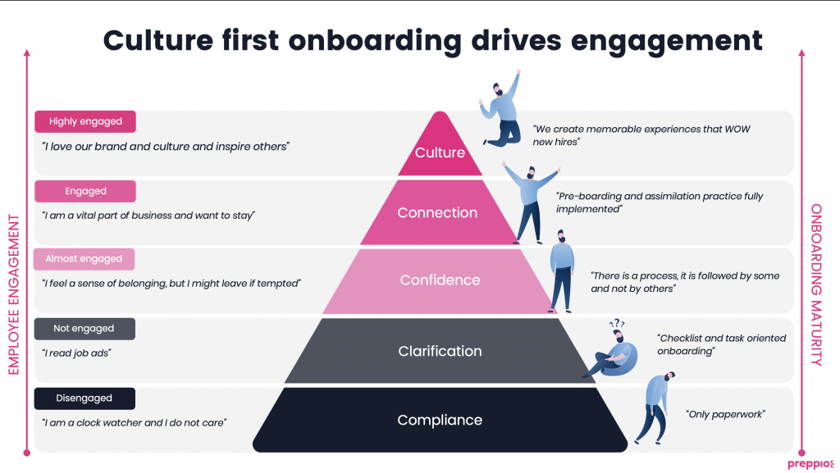
Onboarding shapes organizational culture beginning at the offer stage. Pre-boarding activities (company history, buddy assignments, resource information) establish inclusion. Culture ranks at the apex of mature onboarding and employee engagement.
5. Manager Relief and Burnout Prevention
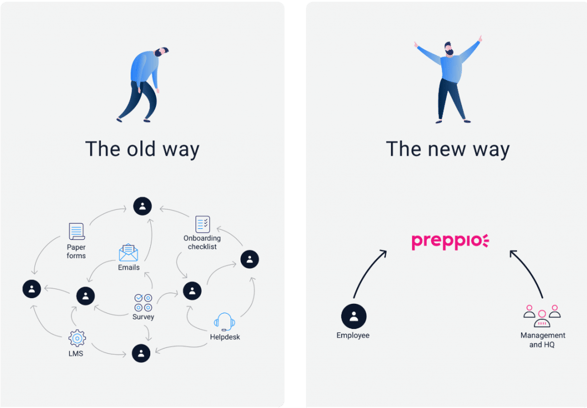
Manual onboarding processes burden managers, buddies, IT, and HR staff. Appropriate software automates repetitive tasks -- emails, reminders, follow-ups, data storage, and reporting -- freeing stakeholders to focus on relationship-building.
The Brand Building Connection
A brand is a promise. Disengaged customer-facing employees from poor onboarding damage brand perception. Organizations should adopt an "exceeding expectation" mindset integrated into onboarding programs.
Case Example: Pal's Sudden Service
Pal's Sudden Service demonstrates excellence in frontline onboarding with turnover rates dramatically lower than industry averages: 32% frontline turnover versus industry standard, 1.4% at assistant manager level, and only seven general manager losses in 33 years.
Implementation Strategy
Onboarding software is the engine that moves strategic onboarding plans forward. For organizations of various sizes, software replaces what would be one full-time HR assistant's work -- handling individual communications, reminders, tracking, storage, and reporting.
Financial Context
Average onboarding costs range from 30-70% of an employee's annual salary, with time-to-productivity representing the highest cost component. Software investments directly reduce these expenditures through efficiency gains.
Presenting onboarding software as a business investment -- not expense -- requires translating benefits into accessible organizational language.
Need Help Building Your Business Case?
Preppio has helped organizations across industries build and present successful business cases for onboarding investment. Let us help you make the case that gets approved.





 Microsoft Teams